



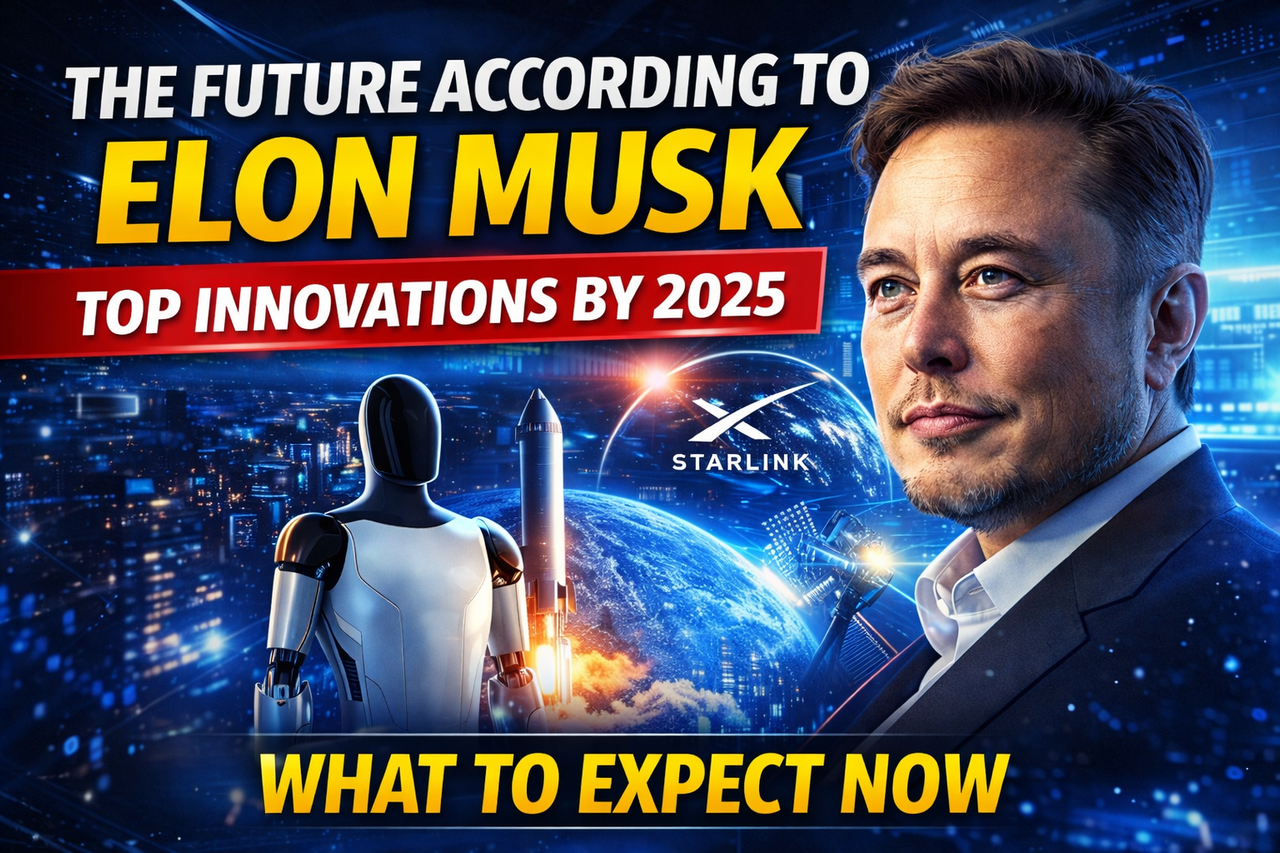









Elon Musk’s New 2025 Project: Expected Global Impact
Elon Musk’s new 2025 project could reshape technology, jobs, AI, space, and global industries. Learn its expected impact and expert insights in this detailed guide.

Introduction
Elon Musk is known for launching bold, futuristic projects that push technology forward. In 2025, his upcoming project is expected to bring major shifts across industries—from AI to space, transportation, and energy. People across the world are curious: What exactly will this project change?
This article breaks down the expected impact, opportunities, risks, and real-world examples in a simple, human-friendly way. If you want a clear and practical explanation of Musk’s 2025 vision, you’re in the right place.
Table of Contents
- Elon Musk’s Vision for 2025
- Key Features of the New 2025 Project
- Impact on Artificial Intelligence
- Impact on Space and Exploration
- Impact on Transportation
- Impact on Jobs and Workforce
- Impact on Businesses and Startups
- Risks and Challenges
- Global Reactions and Expert Opinions
- Future Forecast
- Key Takeaways
- FAQs
- Conclusion
Elon Musk’s Vision for 2025
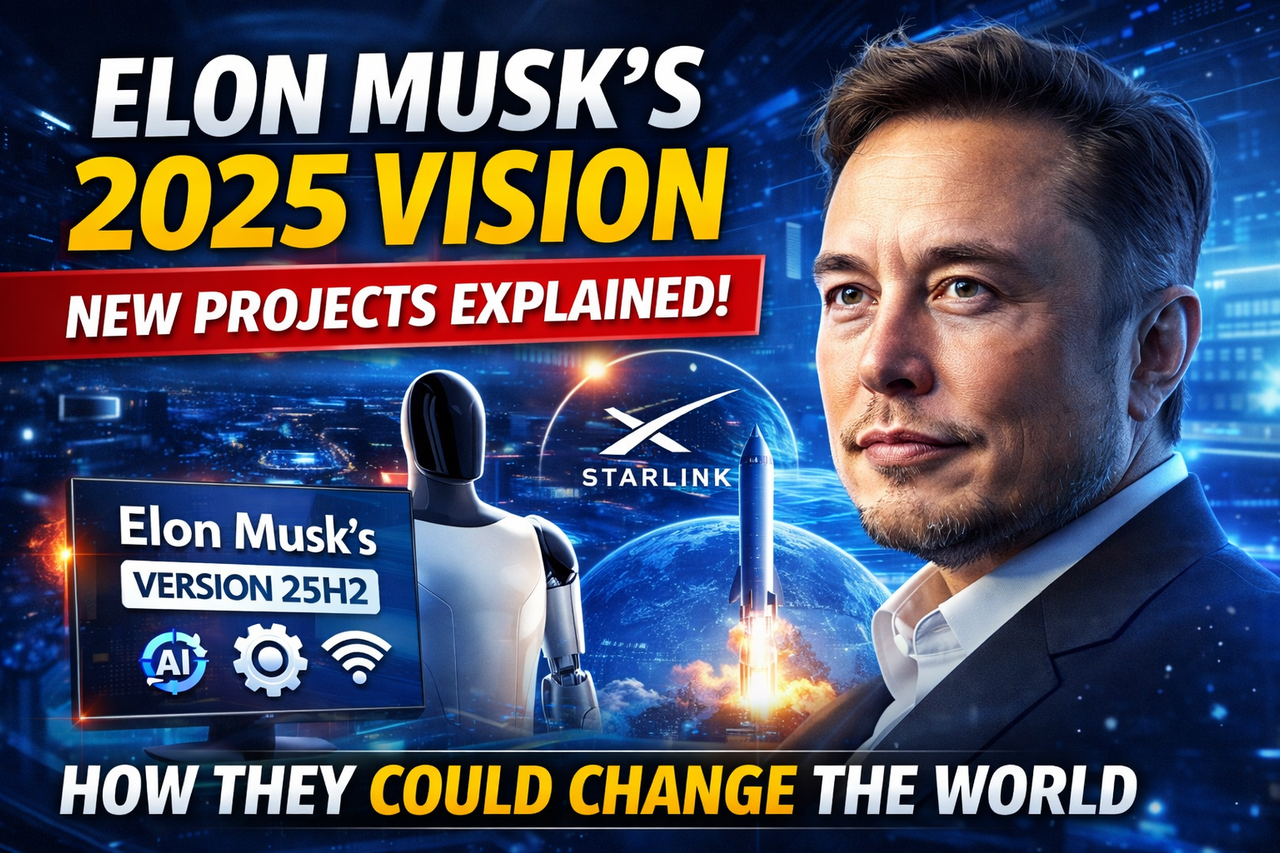
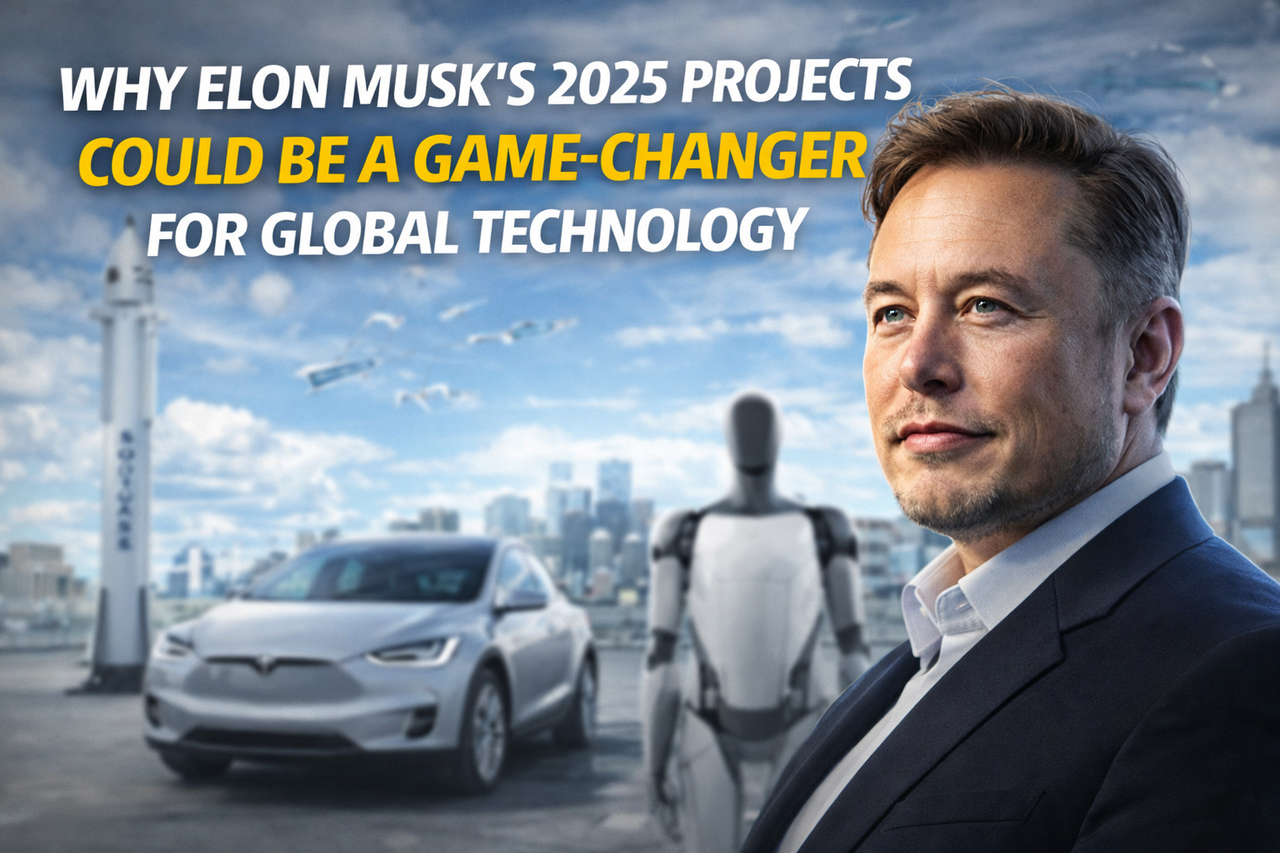
Elon Musk’s projects always revolve around one core idea: building the future faster. His 2025 project appears to combine AI, robotics, space, and sustainable tech.
What Makes Musk Different?
- He focuses on real-life applications, not just theories.
- He chooses high-risk, high-impact areas.
- He aims to solve global-scale problems like energy, transportation, and space travel.
Industries Musk Targets in 2025
- AI automation
- Electric mobility
- Space exploration
- Human–machine integration
- Renewable energy
Key Features of the 2025 Project
1. Advanced AI Model Integration
Tesla and xAI may launch next-gen AI capable of real-time learning. This AI could power robots, cars, and personal assistants.
2. Next-Level Robotics (Tesla Bot Upgrade)
A more capable version of Optimus robot is expected in 2025. It may handle housework, factory tasks, delivery, and caregiving.
3. Global Internet Expansion via Starlink
Faster connectivity for rural and remote areas will reduce the digital divide worldwide.
4. Space Missions for Mars Preparation
SpaceX aims to test larger Starship missions in 2025 to push humanity closer to multi-planet living.
Impact on Artificial Intelligence
Smarter Personal Robots
Robots may help with cleaning, elderly support, grocery tasks, and learning.
AI Impact on Productivity
Businesses may finish tasks 5–10x faster through automation and AI-powered tools.
AI Risks
- Loss of entry-level jobs
- Ethical concerns
- Misuse of AI data
Impact on Space and Exploration
Starship Launch Frequency
Starship may launch more often due to reusability, reducing the cost of space travel.
Mars Colonization Preparation
2025 tests will focus on life-support, cargo transport, and safety modules for future human missions.
Impact on Global Space Industry
- More startups entering space tech
- More international collaboration
- Faster satellite deployment
Also Read :
AI Revolution 2025: Are Human Jobs Really in Danger?
Startup Funding 2025 – This Month’s Biggest Investments (Latest Report)
Impact on Transportation
Self-Driving Cars Improvement
Tesla’s Full Self-Driving will become safer and more reliable, reducing accidents.
Autonomous Taxi Services
Robotaxi networks may increase, reducing transport costs by 60–70%.
Hyperloop and High-Speed Travel
Hyperloop research may accelerate under Musk’s leadership.
Impact on Jobs and Workforce
New Job Opportunities
- Robotics technicians
- AI trainers
- Space engineers
- Digital infrastructure specialists
- Renewable energy experts
Jobs at Risk
- Administrative roles
- Customer service jobs
- Delivery jobs
- Manual factory tasks
Skill Shift Example
A factory worker may need to learn robot operations instead of manual labor.
Impact on Businesses and Startups
Lower Costs
Starlink reduces internet cost; AI reduces human error and speeds tasks.
Startups Benefit from Open AI Tools
Entrepreneurs gain access to public APIs, robots, and automation tools.
New Business Categories
- AI-powered products
- Drone logistics
- Space-based data firms
- Smart home robotics
Risks and Challenges
Economic Inequality
People with tech skills will advance faster than those without.
AI Safety Issues
Advanced AI could be dangerous without regulation.
Space Debris
Increased satellite launches raise risk of space junk.
Global Reactions and Expert Opinions
Positive Reactions
- Faster digital growth
- Boost to clean energy
- Affordable space travel
Concerns
- AI dependency
- Ethical risks
- Job displacement
Countries Supporting These Initiatives
- USA
- Japan
- India
- UAE
- European nations
Future Forecast
Scenario 1 – Major Breakthrough
Robots become mainstream; Mars missions progress significantly.
Scenario 2 – Slow but Steady Growth
Space tests continue; robots remain in pilot programs.
Scenario 3 – Regulatory Challenges
Governments may slow AI progress due to safety concerns.
Key Takeaways
- Elon Musk’s 2025 project will merge AI, robotics, and space tech.
- It will reshape jobs, transportation, and business operations.
- Challenges like regulation and job risk remain.
- 2025 may push humanity toward a multi-planet future.
FAQs
1. What is Elon Musk’s 2025 project mainly focused on?
It focuses on advancing AI, robotics, Starlink internet, and space exploration technologies to make future tech accessible.
2. Will this project affect jobs?
Yes, some jobs may be automated, but new roles in AI, robotics, and engineering will grow.
3. How will Starlink help daily life?
Starlink brings fast internet to remote areas, helping students, hospitals, businesses, and rural communities.
4. Can Musk’s project accelerate Mars missions?
2025 tests will improve Starship, bringing humanity closer to Mars colonization.
5. Is Musk’s AI safe?
Safety depends on strict global regulation. Musk supports AI safety guidelines but governments must enforce rules.
Conclusion
Elon Musk’s new 2025 project could reshape the world—from AI and robotics to space travel and everyday life. While risks exist, responsible innovation can make 2025 a landmark year for global progress. Humanity may take its biggest leap toward an advanced, multi-planet future powered by Musk’s vision.
What's Your Reaction?